

Building a Fly Box

These cool mornings have me thinking hard about fly fishing. I usually get going hard once we put the bass rods away, which is usually around early/late October. I do the VAST majority of my fly fishing up in North Georgia and in Western North Carolina, and picking the right flies is critical to a successful trip to the water.
I love to fish dries, but it's hard. Actually harder than nymphing or streamers. Fish get very particular about dry flies, and the water has to be just right. I always pack a good variety of dries, but only fish them ~20% of the time. However, I don't have to tell you the satisfaction of landing a trout with topwater...
And trash: I'm not including it in this list, but I do carry some. Pink worms, mops, eggs...I'm not so prideful nor am I so much of a traditionalist that I reject them. I don't start with them, but if the bit is slow it's nice to throw one on for a change of pace.
So in no particular order, here are ten must-have flies for your North Georgia/Western NC box:
1. Parachute Adams (Size 14–18)
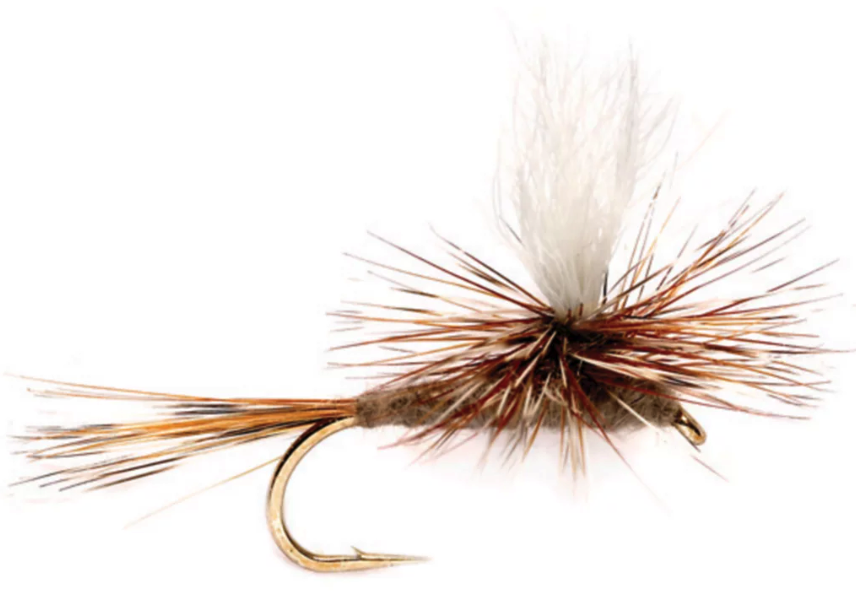
Why it works: The ultimate mayfly imitation — gray body, white post, and grizzly hackle make it versatile across hatches.
When to use: Year-round, especially during spring and fall mayfly hatches.
Where: Clear, slower pools on the Davidson, Nantahala, or Soque.
Pro tip: Trail a small nymph (Pheasant Tail or Hare’s Ear) behind it for a deadly combo.
2. Elk Hair Caddis (Tan/Olive, Size 12–16)
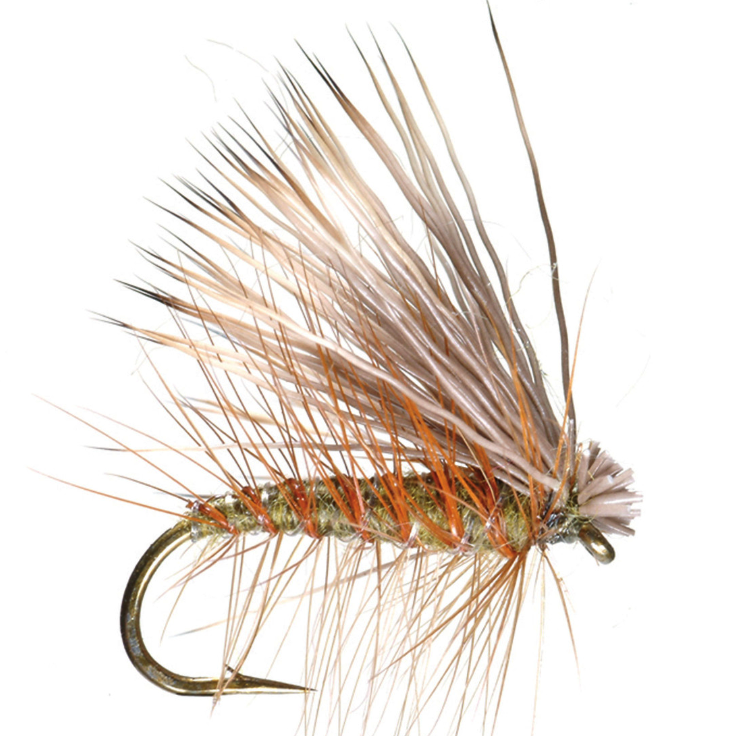
Why it works: Imitates caddis adults — abundant in Southern Appalachians. The elk wing keeps it floating high in riffles.
When to use: Best from April through early fall, especially evenings.
Where: Pocket water and fast runs — Toccoa Tailwater and North Mills River.
Pro tip: Grease the wing to keep it riding high, or trim hackle for a lower-riding profile in slower water.
3. Blue Wing Olive (BWO) (Size 16–20)
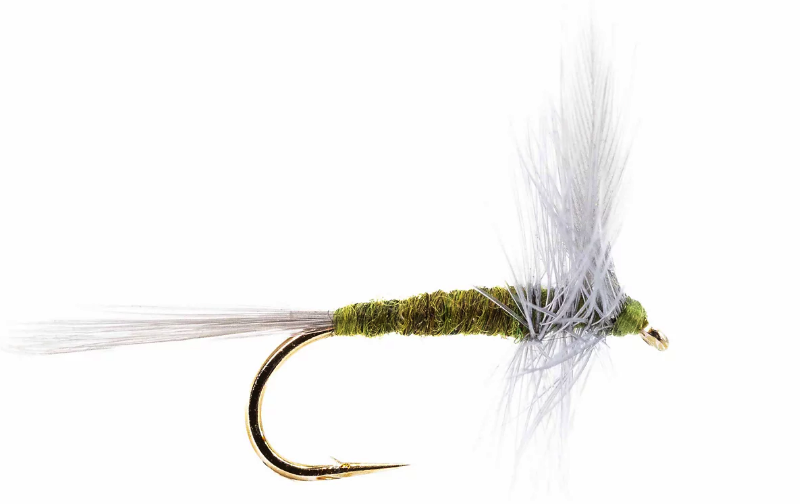
Why it works: BWOs hatch heavily on cloudy, cool days and in colder months when little else is happening.
When to use: Early spring and late fall; great for winter tailwater fishing.
Where: Delayed-harvest stretches and wild creeks in Pisgah National Forest.
Pro tip: Use a CDC emerger or soft hackle version when fish ignore duns on the surface.
4. Stimulator (Orange or Yellow, Size 8–12)
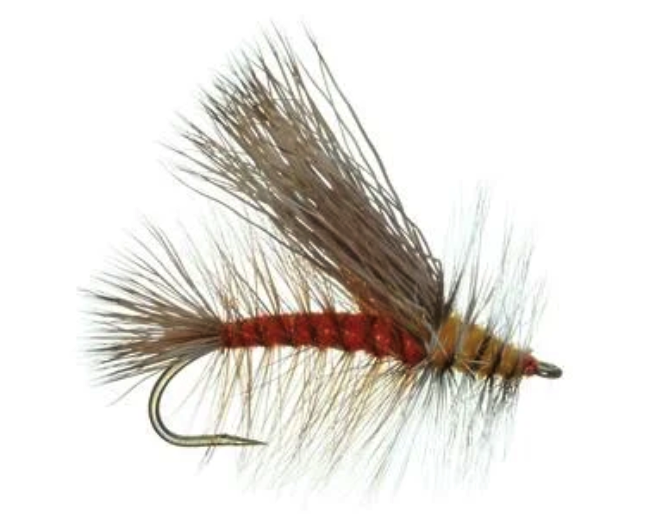
Why it works: A great attractor that can represent stoneflies, caddis, or even grasshoppers.
When to use: Spring stonefly hatches and throughout summer as a hopper/dropper rig.
Where: Big water like the Chattooga River or Tuckasegee.
Pro tip: Fish it with a beadhead dropper (Green Weenie, Hare’s Ear) under the bend.
5. Royal Wulff (Size 10–14)
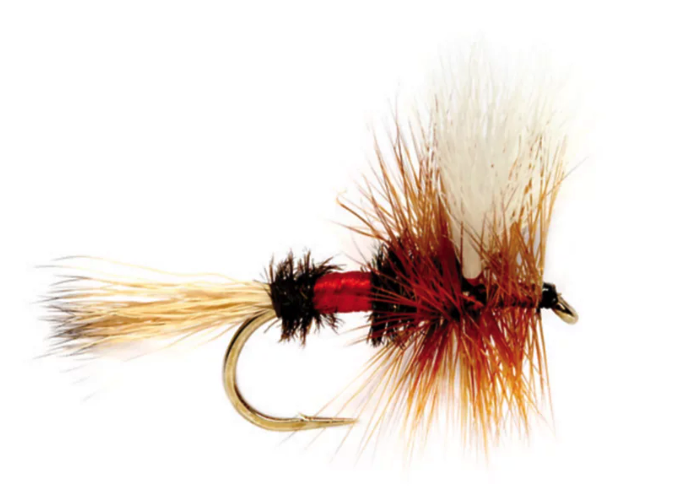
Why it works: Bright red floss and peacock body make it highly visible and irresistible in turbulent currents.
When to use: Year-round as an attractor, especially on smaller mountain streams.
Where: Tight, brushy creeks like the Tallulah or North Fork of the French Broad.
Pro tip: Great searching pattern when you’re not sure what’s hatching.
6. Green Weenie (Size 12–14)
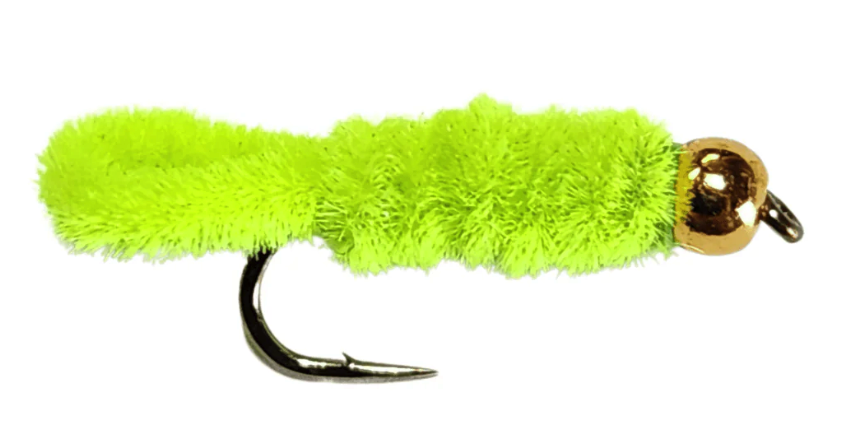
Why it works: A local Appalachian classic — simple chartreuse chenille worm that trout (especially stocked rainbows) crush.
When to use: Summer into fall when inchworms and caterpillars drop from trees.
Where: Overhung creeks like Fires Creek or the Chattahoochee headwaters.
Pro tip: Fish under a dry fly as a dropper, or dead-drift near banks and rhododendron thickets.
7. Pat’s Rubber Legs / Girdle Bug (Brown/Black, Size 6–10)
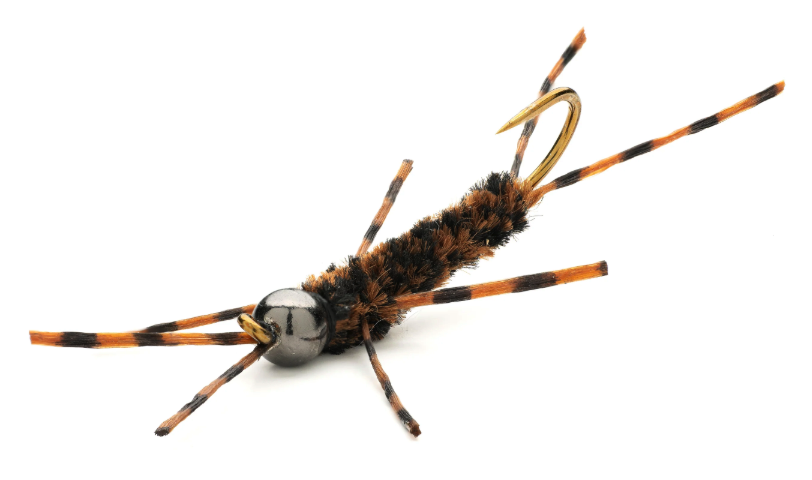
Why it works: Mimics big stonefly nymphs and general buggy profiles; rubber legs add movement.
When to use: High water conditions in spring and after rains.
Where: Fast water on the Nantahala Gorge, Chattooga, and Toccoa.
Pro tip: Add split shot and bounce along the bottom — often produces the biggest fish.
8. Pheasant Tail Nymph (Size 14–18)
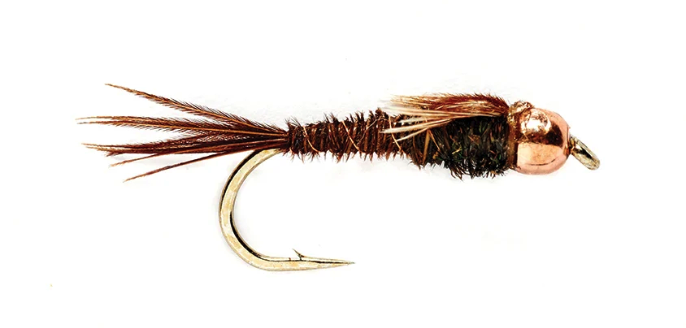
Why it works: A versatile mayfly nymph that can mimic dozens of natural insects.
When to use: Year-round, but especially productive in spring and fall.
Where: Tailwaters like the South Holston or Tuckasegee. This is an absolute go-to.
Pro tip: Use a beadhead version for faster water, unweighted for slow pools.
9. Hare’s Ear Nymph (Size 14–18)
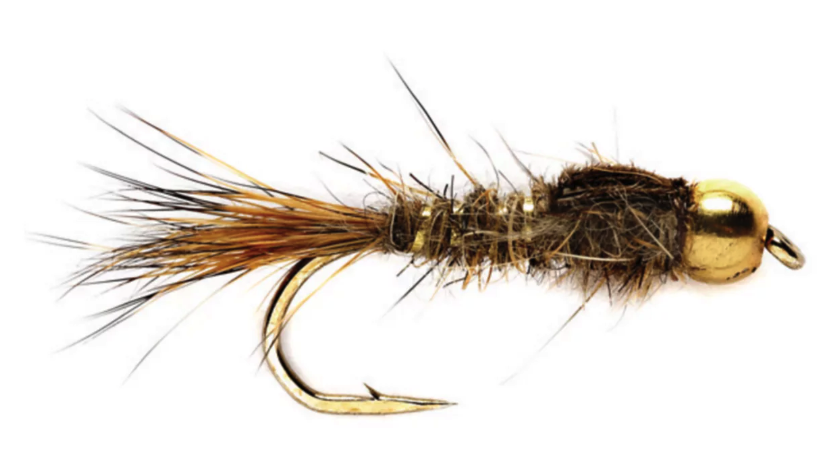
Why it works: Its scraggly, spiky dubbing imitates everything from caddis larvae to mayfly nymphs.
When to use: Year-round as a confidence fly.
Where: Works everywhere — small Appalachian streams to large rivers.
Pro tip: Tie with a flashback wing case for added visibility and attraction.
10. Woolly Bugger (Black or Olive, Size 6–10)
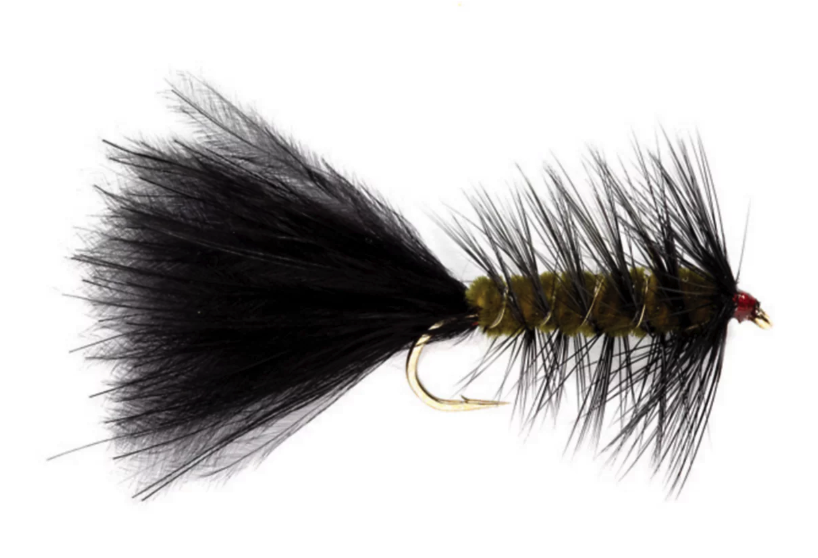
Why it works: One of the most effective streamers ever tied; it represents minnows, leeches, or crayfish.
When to use: All seasons, but especially in the fall when brown trout are aggressive.
Where: Bigger water with deeper runs like the Toccoa, Nantahala, and Watauga.
Pro tip: Fish on a swing or with short strips — black on cloudy days, olive in clear water.
Bonus Local Pattern:
Yellowhammer Nymph (Size 12–14)
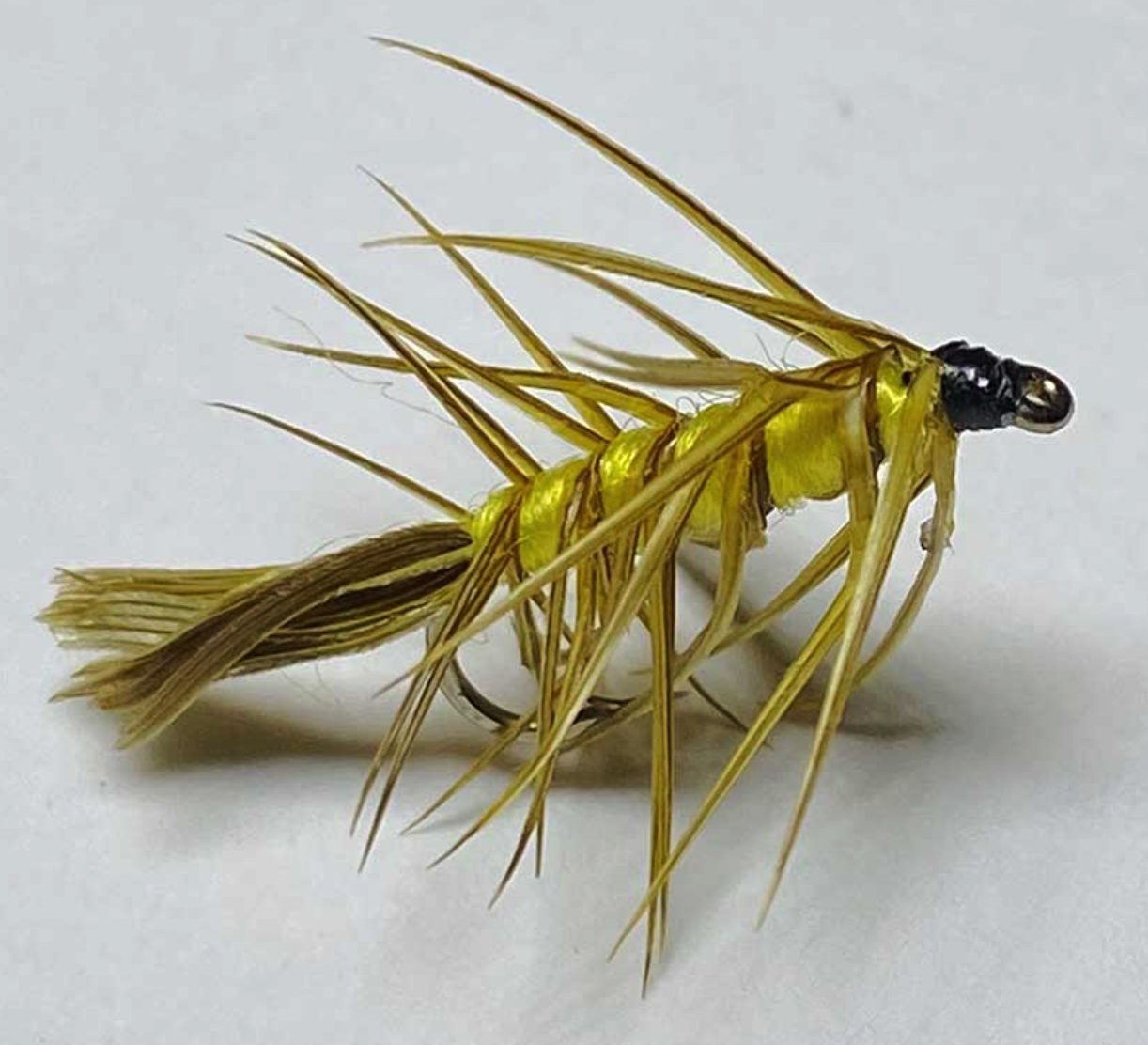
A traditional Appalachian fly once tied with the feathers of the (now protected) Yellowhammer woodpecker. Locals still use substitutes to tie this buggy nymph, and it’s a nod to Southern fly-fishing heritage.
What did I miss?

Comments